North Wales Cycling Routes: Traffic-Free Paths, Forest Trails and Coastal Rides for Every Ability
Published 11 July 2026by Petrunorth-walesoutdoors
From traffic-free coastal cycleways to forest trails and converted railway paths, North Wales has cycling routes to suit every ability and ambition.
North Wales Cycling Routes: Traffic-Free Paths, Forest Trails and Coastal Rides for Every Ability
North Wales offers an unusually wide range of cycling for a relatively compact region. You can spend the morning on a waymarked family loop through managed woodland, follow a traffic-free coastal path in the afternoon, and have a multi-day adventure lined up for the following week, all without retracing your tyre tracks. The choice runs from a 34-mile National Cycle Network coastal cycleway stretching from Talacre to Penmaenmawr to short, clearly signed forest circuits where a car-park information panel tells you the waymarker colour to follow, the trail grade, the surface type and how long the ride should take before you turn a pedal. That combination, long-distance adventure riding at one end, accessible family loops at the other, is what makes this part of Wales worth a proper look for cyclists of every kind.
Cycling the North Wales Coast: Traffic-Free and Seaside
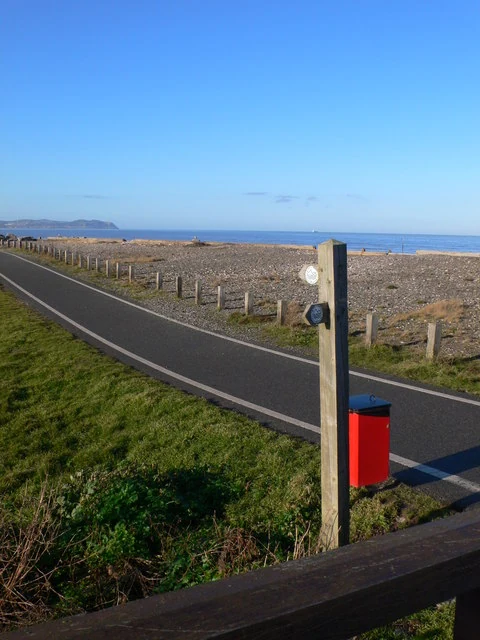
The coastline between Chester and Caernarfon holds the densest concentration of traffic-free cycling in the region. The Wales Coast Path cycling guide for the North Wales and Dee Estuary section identifies four named rideable stretches. The first, the River Dee Path, runs from Chester to Connah’s Quay. The second, the North Wales Coast Cycle Route, connects Prestatyn to Llandudno North Shore. A third stretch continues from Llandudno West Shore to Llanfairfechan. The fourth, Lôn Las Menai, links Felinheli to Caernarfon.
For much of the Chester-to-Bangor corridor, the Coast Path shares its alignment with the National Cycle Network, and where the Coast Path itself cannot be cycled, NCN-signed alternative routes are available. Riders planning any section of this journey can follow NCN signage rather than trying to navigate independently.
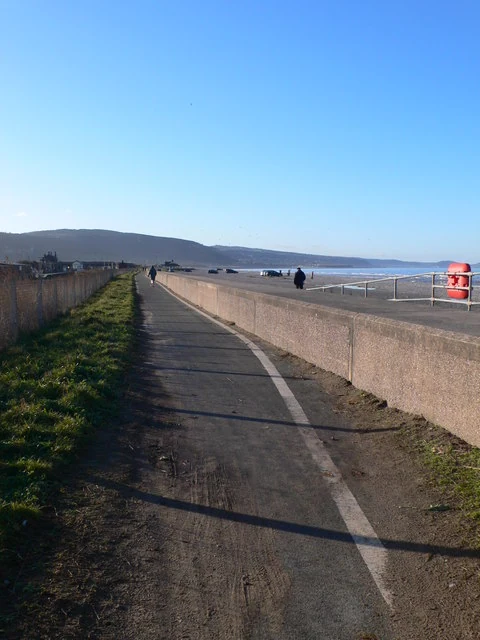
The backbone of continuous coastal riding along this stretch is NCN route 5, which cyclingnorthwales.co.uk records as a 34-mile cycleway from Talacre (Point of Ayr) to Penmaenmawr. There are also two separate cycle paths between Chester and Connah’s Quay, each 8 miles long. Taken together, this signed network gives families and casual riders a practical, low-stress corridor without the need to negotiate busy main roads.
The Lôn Greenways: Named Traffic-Free Trails for All Abilities
Some of the most enjoyable cycling in North Wales follows old infrastructure. Komoot.com identifies disused railway lines converted into traffic-free paths as one of the region’s defining cycling features, alongside its coastline, mountains, lakes and forests. Three named Lôn routes make excellent use of this inheritance.
Lôn Las Eifion runs from Caernarfon to Bryncir, covering 12½ miles on NCN route 6.
Lôn Las Ogwen runs from Porth Penrhyn, near Bangor, to Ogwen Cottage, a distance of 11 miles. The outward direction takes you away from the coast and into increasingly dramatic inland scenery; the return leg brings you back.
Lôn Las Menai, running from Felinheli to Caernarfon, also appears among the four rideable stretches identified by the Wales Coast Path cycling guide. It connects smoothly with Lôn Las Eifion at the Caernarfon end and with the coastal riding to the north, making it a useful link for anyone building a longer day.
Together, these three greenways form a natural starting point for families or first-time visitors who want to explore North Wales by bike without worrying about traffic. They are signed, accessible from identifiable start points, and sufficiently varied in length to suit different fitness levels.
Forest Trails: NRW Waymarked Loops and Woodland Riding
Natural Resources Wales manages a number of waymarked cycle trails across the region. The trails are waymarked from start to finish and normally start from a car park. Before setting off, an information panel at the car park gives the waymarker colour to follow, the trail grade, the surface type and the estimated time to complete the route. That level of practical detail is genuinely useful for families: it removes guesswork before anyone has clipped in.
Coed Nercwys, near Mold, is listed by NRW as a family-friendly trail that avoids major climbs and offers spectacular views. Clear waymarking, accessible terrain and managed woodland make it one of the more straightforward introductions to off-road cycling in North Wales.
Clocaenog Forest – Bod Petryal, near Ruthin, offers a family-friendly short cycle trail through the forest. The brevity suits younger riders or those who want a relaxed outing rather than a full day in the saddle.
Alwen Reservoir, near Denbigh, provides more variety. NRW lists it as offering a choice of trails of varying lengths through forest, moorland and along the water’s edge, with views across the reservoir to the mountains of Eryri National Park. The range of options makes it worth considering if your group includes riders with different abilities or stamina levels.
Beddgelert Forest, near Beddgelert, offers a choice of two cycle trails through woodland, with views across to Yr Wyddfa and a picnic stop at Llyn Llywelyn lake. It is one of the few NRW woodland trails with a named picnic stop built into the experience, a practical detail worth knowing if you are riding with children.
For riders who have moved beyond structured loops and want something with more technical challenge, the area around Betws-y-Coed and the nearby Gwydir Forest is the natural next destination. Northwales.com describes the area as well known for its scenic woodland riding, purpose-built trails and excellent cycling facilities, with Gwydir Forest offering a variety of trails suitable for different skill levels, from beginner-friendly forest tracks to more technical mountain biking routes. It suits riders who have found the NRW waymarked circuits straightforward and are ready to push further.
One practical point for all NRW woodland cycling: cyclists may legally ride on public bridleways, restricted byways, and byways open to all traffic within these managed woodlands. Forest roads are accessible to cyclists too, but they are not waymarked and may carry vehicles undertaking forestry operations, so some care is warranted. Sticking to the waymarked trails is the simplest approach for most visitors.
Multi-Day and Long-Distance Riding: Lôn Las Cymru and the Coastal Route
If a longer adventure is on the agenda, two routes stand out.
The North Wales Coast cycling route is rated at 75 miles overall, graded Easy by cycle.travel, and estimated to take 2–3 days to complete end to end. It passes a succession of coastal resorts from Rhyl to Conwy, including Conwy with its castle, with miles of traffic-free path, seaside promenades and quiet lanes. One of its most practical features is that a railway runs parallel to the route for much of its length, giving riders the option to cut a day short and return by train if needed. For families or less experienced cyclists tackling their first multi-day ride, that option makes the logistics considerably less daunting.
At the other end of the scale, Lôn Las Cymru is a much larger undertaking. It runs from Holyhead in North Wales to Cardiff, covering more than 250 miles in full. The northern section is the part most relevant to North Wales visitors: it passes through Snowdonia, Harlech and Anglesey, combining quiet country roads, old railway lines and forest tracks, with occasional mountain passes. This is not the flat, traffic-free greenway experience of the Lôn routes closer to the coast. The occasional mountain passes mean it suits riders already comfortable over longer distances and varied terrain.
Harder Road Cycling for Experienced Riders
North Wales also rewards experienced road cyclists prepared to take on serious climbing. These routes deserve a clear label: they are challenging rides suited to confident cyclists, not family outings.
The Ogwen Valley road circuit starts from Bethesda (postcode LL57 3LT), crosses the Llanberis Pass and returns via Capel Curig, covering 30 miles with 1,100 metres of climbing. Wales.org lists this among its cycling highlights for the region; the elevation figures speak plainly about the effort involved.
The road circuit around the Llŷn Peninsula covers 80 miles of quiet lanes with views across Cardigan Bay. Distance rather than climbing is the challenge here, though 80 miles of any terrain calls for proper preparation and fitness.
Neither route is appropriate for families, beginners or casual riders. Both are highly rewarding for riders with the experience and fitness to match them.
Planning Your Ride: Safety, Surfaces, Rights of Way and When to Go
A few practical points before any ride in North Wales, regardless of ability.
Trail closures: NRW posts notices about trail closures and diversions at the start of each trail, but advises checking the relevant woodland or reserve page on its website before visiting, especially to confirm a specific trail is open. Travelling to a trailhead without checking first risks a wasted journey, particularly after wet weather.
Rights of way in NRW woodlands: Cyclists may legally ride on public bridleways, restricted byways, and byways open to all traffic within NRW-managed woodlands. Forest roads are accessible to cyclists but are not waymarked and may carry vehicles undertaking forestry operations. The waymarked trails are the safest and clearest option for most visitors.
Active Travel Maps: Active Travel Network Maps for North Wales local authority areas, including Conwy, Denbighshire, Flintshire, Isle of Anglesey and Wrexham, are created and maintained by their respective local authorities and published centrally on the Welsh Government’s datamap.gov.wales platform. These maps were produced under the framework established by the Active Travel (Wales) Act 2013, which requires designated local authorities to map existing and planned active travel routes, including cycling routes, to defined Welsh Government standards. They provide a reliable picture of signed cycling infrastructure for planning everyday or point-to-point rides.
National Cycle Network: NCN route 5, the 34-mile cycleway from Talacre to Penmaenmawr, and NCN route 6, Lôn Las Eifion at 12½ miles from Caernarfon to Bryncir, are the two key signed NCN routes in this part of North Wales. Both are accessible without specialist equipment.
Bike hire: No bike hire businesses appear in the verified sources used for this guide. Check locally on arrival at your accommodation or in the nearest town.
When to go: Northwales.com offers a useful seasonal summary. Spring brings mild weather and quieter roads, a good window for families who want more space on coastal paths and woodland trails. Summer offers the longest daylight hours but heavier visitor traffic in coastal resorts and tourist areas. Autumn provides fewer crowds alongside forest and mountain colour, making the NRW woodland circuits particularly worth considering.
The most important practical habit is checking before you travel: confirm trail status with NRW online, consult the Active Travel Maps for the area you are visiting, and look for NCN signage on the day.
The North Wales Local directory covers activity and leisure businesses across all six counties, from Anglesey to Wrexham, and is a useful starting point for finding services to support any cycling trip across the region.